Construction is the process of shaping the built environment—transforming raw land, materials, and ideas into structures that support human zabudowa balkonu warszawa. It is one of the most impactful industries in the world, influencing how cities grow, how people move, and how societies function.
The Importance of Construction in Everyday Life
Almost everything around us is connected to construction in some way. Homes provide shelter, roads enable transportation, schools support education, and hospitals deliver healthcare—all of these depend on construction work.
Beyond physical structures, construction also plays a major economic role. It creates jobs, stimulates industries like manufacturing and logistics, and drives urban development. Without construction, modern infrastructure would not exist.
How a Construction Project Comes to Life
Every project begins with an idea, but turning that idea into a usable structure requires multiple stages of coordination and expertise.
The process typically starts with planning and design, where architects and engineers develop blueprints and structural layouts. These plans consider safety, functionality, environmental impact, and cost.
Next comes pre-construction preparation, which includes land surveys, soil testing, budgeting, and securing permits. This stage ensures the project is feasible and compliant with regulations.
Once approved, physical construction begins.
The Main Stages of Building
Construction work follows a structured sequence:
Site Preparation
The land is cleared of obstacles, leveled, and prepared for foundation work. Utility lines and drainage systems are also planned.
Foundation Construction
A strong foundation is essential for stability. Depending on the structure, this may involve concrete slabs, deep piles, or reinforced footings.
Structural Development
Columns, beams, walls, and frameworks are built to form the skeleton of the structure. This stage defines the building’s shape and strength.
Mechanical and Electrical Systems
Wiring, plumbing, ventilation, and heating systems are installed to make the building functional and livable.
Finishing Work
Interior and exterior surfaces are completed, including painting, flooring, windows, and decorative elements.
Final Inspection
The completed structure is reviewed for safety, quality, and compliance before it is officially handed over.
Types of Construction Projects
Construction is a broad field that includes several categories:
Residential Construction
Focuses on homes, apartments, and housing developments designed for living spaces.
Commercial Construction
Includes offices, retail centers, hotels, and entertainment facilities.
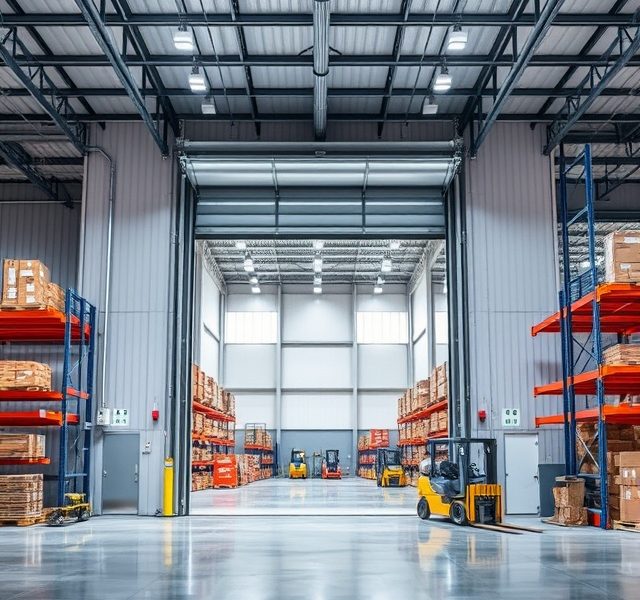
Industrial Construction
Covers factories, warehouses, power plants, and manufacturing facilities.
Infrastructure Construction
Involves public systems such as highways, bridges, railways, airports, and water networks.
Each type requires specialized planning, materials, and engineering approaches.
Materials That Shape the Built World
Modern construction relies on a wide range of materials chosen for strength, durability, and efficiency.
- Concrete: The backbone of most structures due to its strength and versatility
- Steel: Provides reinforcement and structural support
- Wood: Common in residential and interior construction
- Glass: Used for aesthetics and natural lighting
- Bricks and blocks: Traditional yet reliable building components
New sustainable materials are also emerging, designed to reduce environmental impact and improve energy efficiency.
Technology Transforming Construction
The construction industry has embraced technology to improve precision and productivity. Digital tools and advanced systems now play a major role in modern projects.
Key innovations include:
- 3D modeling and Building Information Modeling (BIM) for digital planning
- Drones for surveying land and monitoring progress
- Construction robotics for repetitive or hazardous tasks
- Smart sensors for monitoring structural safety
- Prefabrication where components are built off-site and assembled later
These technologies help reduce delays, control costs, and improve accuracy.
Safety on Construction Sites
Construction sites are high-risk environments, making safety a critical priority. Workers use protective equipment and follow strict guidelines to prevent accidents.
Common safety practices include:
- Wearing helmets, gloves, and protective gear
- Using scaffolding and harness systems for height work
- Conducting regular safety inspections
- Providing worker training and emergency procedures
A safe site ensures both worker protection and project efficiency.
Sustainability in Modern Construction
Sustainability is becoming increasingly important in construction. The focus is shifting toward reducing environmental impact and improving energy efficiency.
Green construction practices include:
- Energy-efficient building designs
- Solar energy integration
- Recycling construction materials
- Water-saving systems
- Use of eco-friendly materials
These methods help reduce waste and create long-term environmental benefits.
Conclusion
Construction is more than just building structures—it is the foundation of civilization’s progress. It combines engineering, design, labor, and innovation to create spaces where life happens. As technology advances and sustainability becomes a priority, the future of construction will continue to evolve, shaping smarter, safer, and more efficient environments for generations to come.